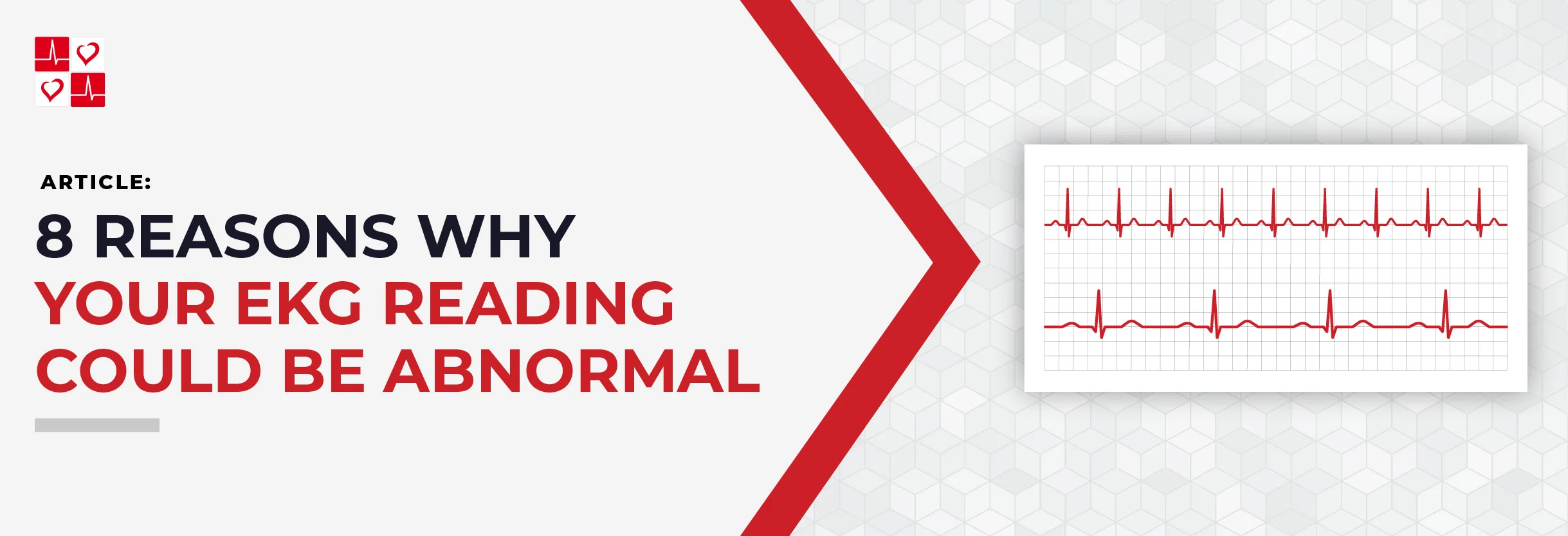
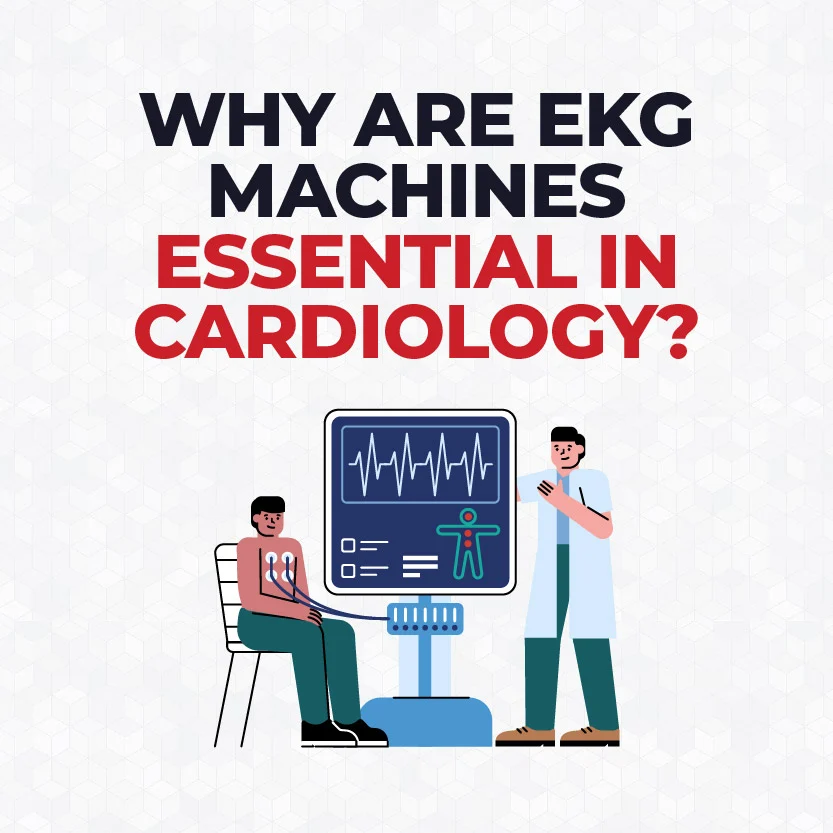
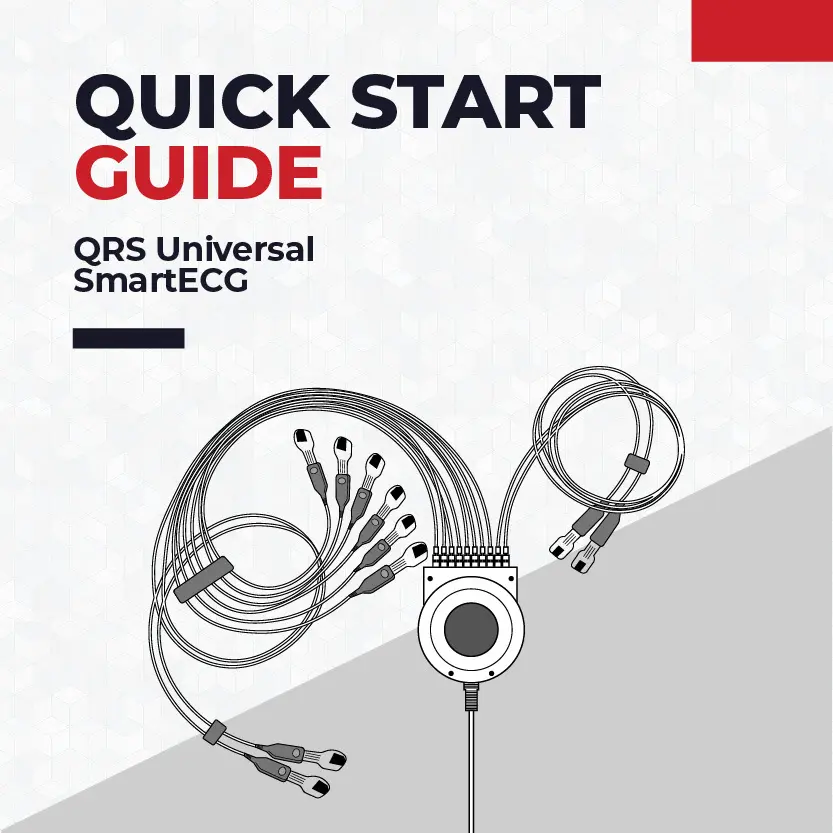
An EKG/ECG, or electrocardiogram,is a test that records the electrical activity of the heart through electrode patches attached to your arms, chest, and legs. However, factors such as stress, electrolyte imbalances, or medication can cause unusual results. Should you worry about an abnormal EKG? In this article, we’ll explain which EKG abnormalities are harmless and which may signal significant heart issues.
Why Your EKG Reading is Abnormal
1. Irregularities in Heart Rate
The average human heart beats between 60 and 100 times per minute. With an EKG machine, you can detect irregular heartbeats such as atrial fibrillation, tachycardia or bradycardia, which disrupt electrical impulses in the heart.
2. Structural Abnormalities
Structural issues within the heart such as congenital heart detects, valve disease or cardiomyopathy can lead to unusual EKG results.
3. Enlarged Size of the Heart
Some medical conditions, such as high blood pressure, viral infections of cardiac muscle, advanced age, and heart failure can enlarge heart chambers. This will result in large waves on an EKG.
4. Electrolyte Imbalances
Electrolytes are essential minerals, such as potassium, sodium, calcium, chloride and magnesium, that have a natural positive or negative electric charge when dissolved in water. Electrolyte imbalances can disrupt the heart’s electrical activity, causing abnormal EKG patterns.
5. Medication Side Effects
Before an EKG test, you should discuss any medications you are taking with your doctor. Some medications, such as In fact, some medications, such as beta-blockers, are used to help balance heart rhythm, which can cause abnormal rhythms to occur.
6. High Blood Pressure
Those with high blood pressure are more likely to have an abnormal EKG result than those with normal blood pressure.
7. Poor Blood Supply (Ischemia)
An EKG can reveal ischemia, which reduces blood flow to your heart and can cause abnormal heart rhythms. Inadequate blood flow to the heart may result in oxygen deprivation.
8. Heart Attacks
An abnormal EKG reading can be the result of a serious problem, such as a heart attack. A heart attack damages tissue that disrupts electrical conduction, often causing an abnormal EKG reading.
We use cookies and similar technologies to keep the site working, measure basic site performance, personalize your experience, and support advertising. You can accept all optional choices, reject optional choices, or manage your preferences.
Your Privacy Choices
Choose which optional cookies and similar technologies may be used. Necessary cookies and basic site measurement are always active because they support shopping, checkout, security, and site performance.
Necessary
Required for shopping, checkout, security, and core site features.
Always Active
Personalization
Remembers browsing behavior such as recently viewed products and recommendations.
Advertising
Allows Google Ads measurement, ad personalization, remarketing, enhanced conversions, and audience features. If off, we still use basic site measurement, but do not use your activity for those advertising features.