Top Features You Need in a Vital Signs Monitor
Introduction
Vital signs monitors provide real-time data on a patient critical parameters, such as heart rate, respiratory rate and blood pressure. Features like various mounting solutions, advanced data management, and intuitive touchscreens play a crucial role in enhancing their use. In this article, we’ll explore why these features are essential for vital signs monitors.
Top Features You Need in a Vital Signs Monitor
Touch Screen Display
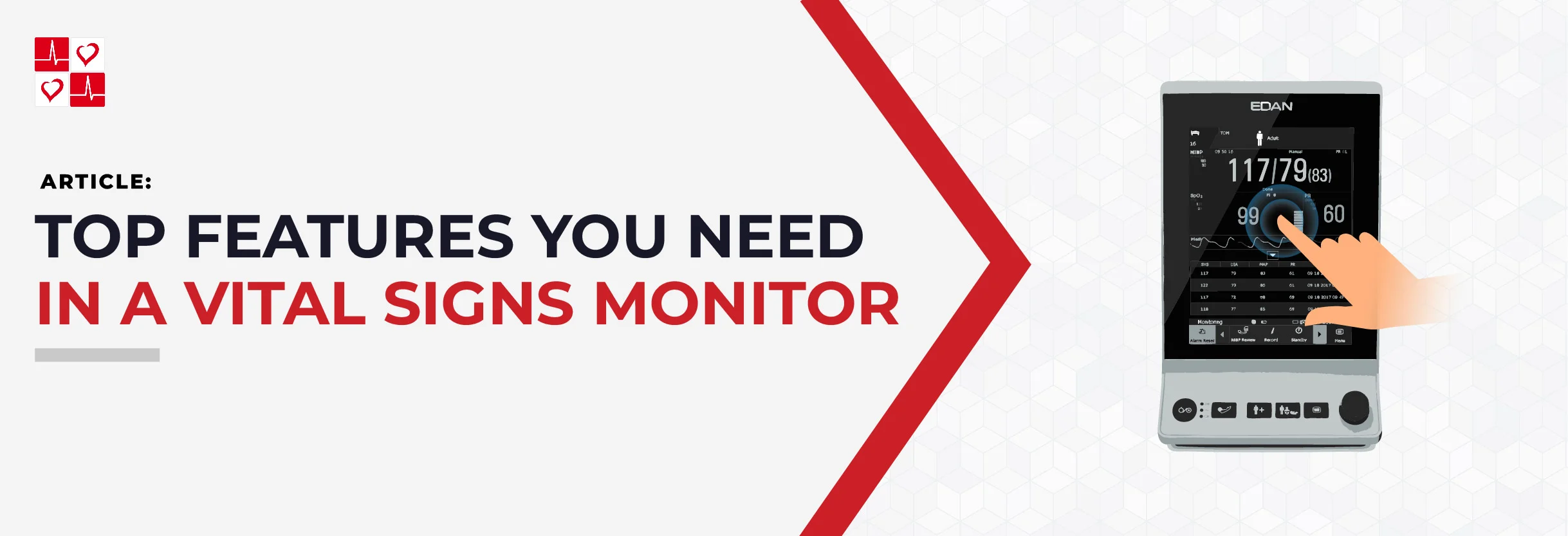
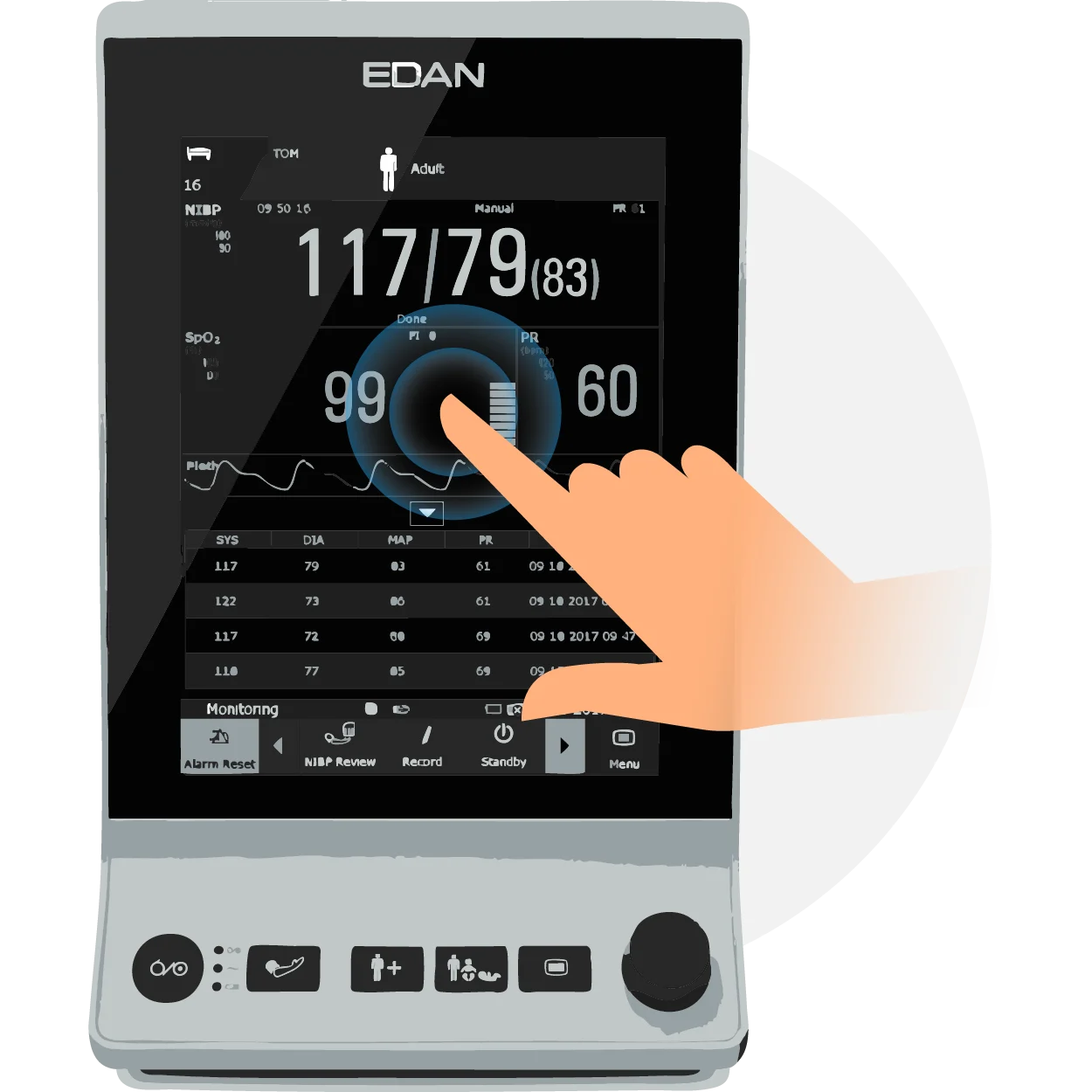
With a touchscreen, you can quickly navigate settings, input patient data, and adjust monitoring parameters. Additionally, touchscreens enable clear visualization of patient data, displaying real-time waveforms, trends, and alerts. A touchscreen simplifies and enhances the overall effectiveness of vital signs monitoring.
Data Management and Connectivity
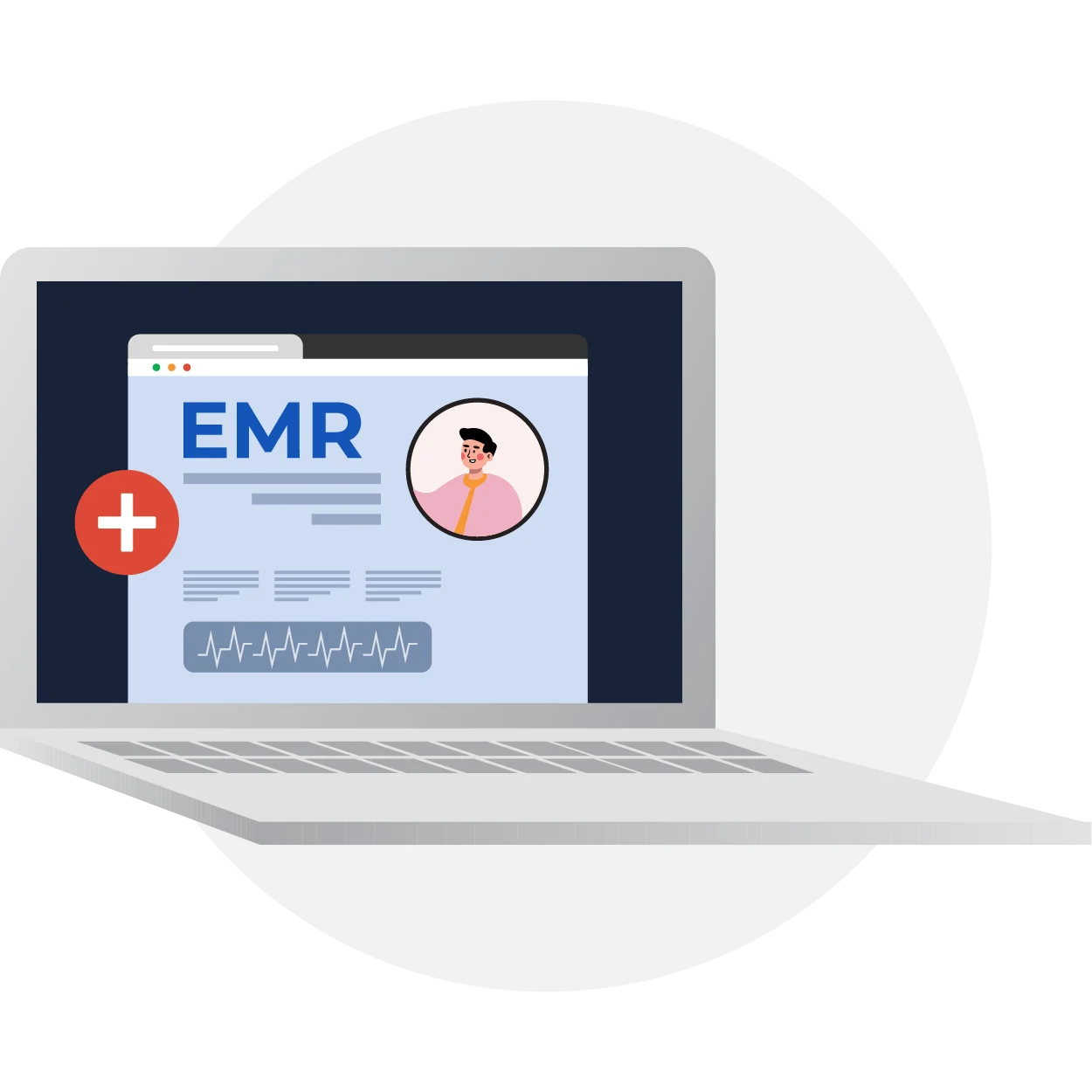
With EMR integration and wireless connectivity, vital signs data can be automatically recorded and shared in real time to ensure that healthcare providers have instant access to up-to-date patient information. Efficient data management also ensures accurate documentation and easy access to patient history.
Mounting Options
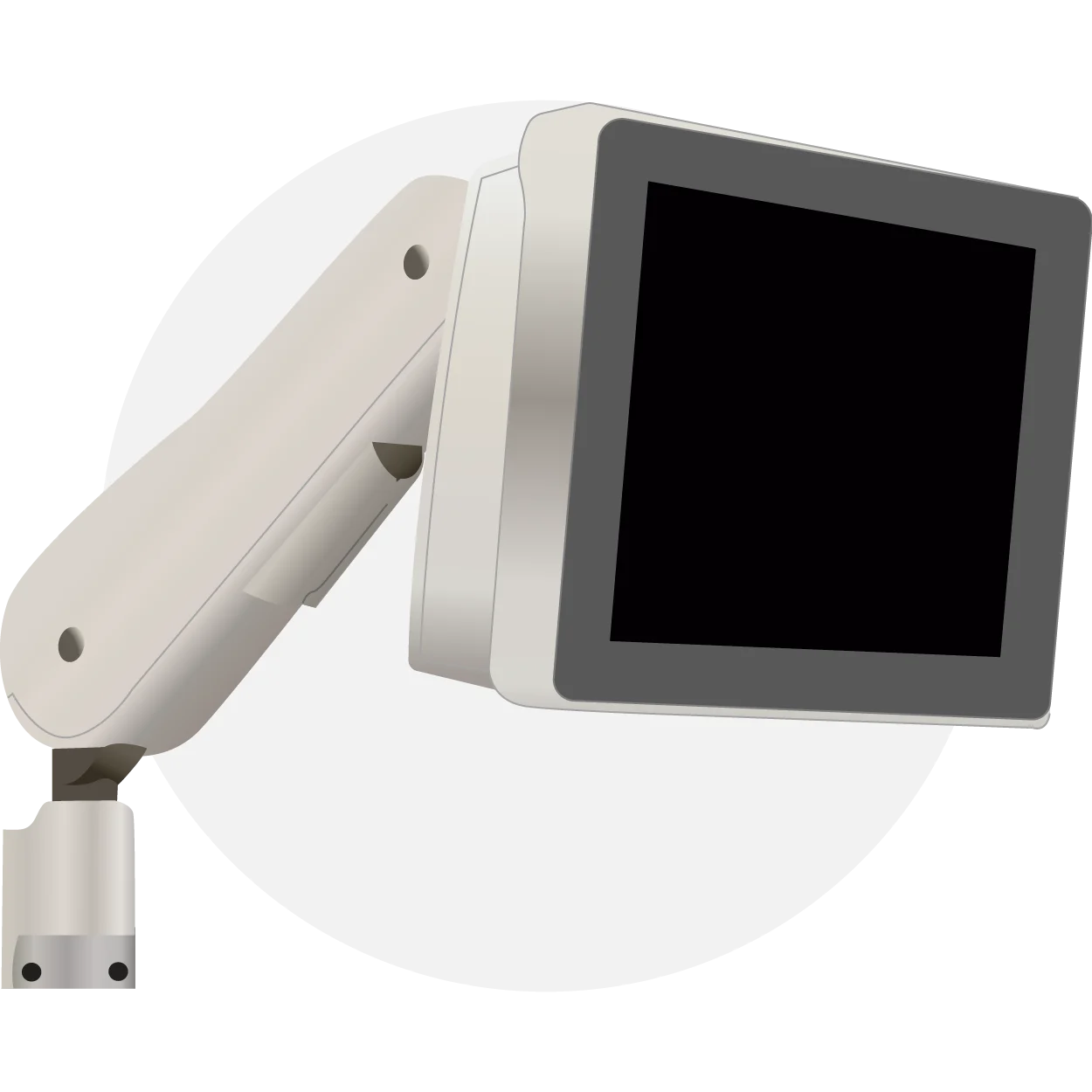
Whether mounted on a wall, rolling stand, or bedside rail, various mounting options allow you to position the monitor in an accessible way. For hospitals, clinics, and emergency rooms, a wall-mounted option saves space, while a mobile rolling stand provides easy transport between patient rooms. Secure rail or bed-mounted options are convenient for doctors to ensure their monitor is within reach without clutter.
Closing
Features like versatile mounting options, advanced data management, and intuitive touchscreens ensure vital signs monitors are accessible and easy to use. Proper mounting solutions improve adaptability, while touchscreens simplify the monitor’s operation.