Fetal Monitor Buying Guide: What To Look For
What Does a Fetal Monitor Measure?
Fetal Monitor Features and Accessories To Have
Top Fetal Monitor Brands

During pregnancy, it is important for the doctor to be aware of the health of the fetus. Doctors often use a fetal monitor for tracking fetal heart rate and uterine contractions during pregnancy and labor.
When purchasing a new fetal monitoring machine, you want to ensure your device has all of the necessary features and parameters for your needs. Some questions to ask when looking to buy a fetal monitor may include:
- Do you need to monitor more than one fetus?
- What are the differences between the top fetal monitor brands?
- What accessories will you need to purchase for your new machine?
In this article, we will answer these questions to help you purchase a new fetal monitor.
What does a Fetal Monitor measure?
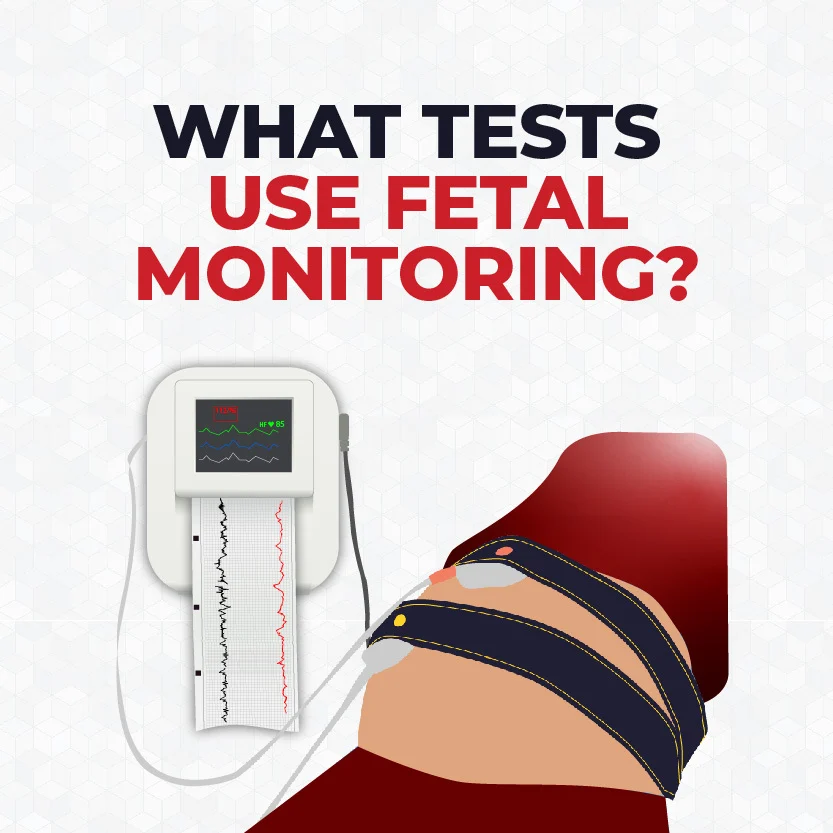
Fetal monitors monitor fetal heart rate, uterine contractions, and other functions during pregnancy and labor. To measure fetal heart rate, a healthcare professional attaches a probe to a belt around the mother’s abdomen. If the mother is pregnant with twins, you’ll need a fetal monitor that contains two FHR probes. A TOCO transducer attaches around the mother’s abdomen, which helps measure contractions.
Top Fetal Monitor Brands:
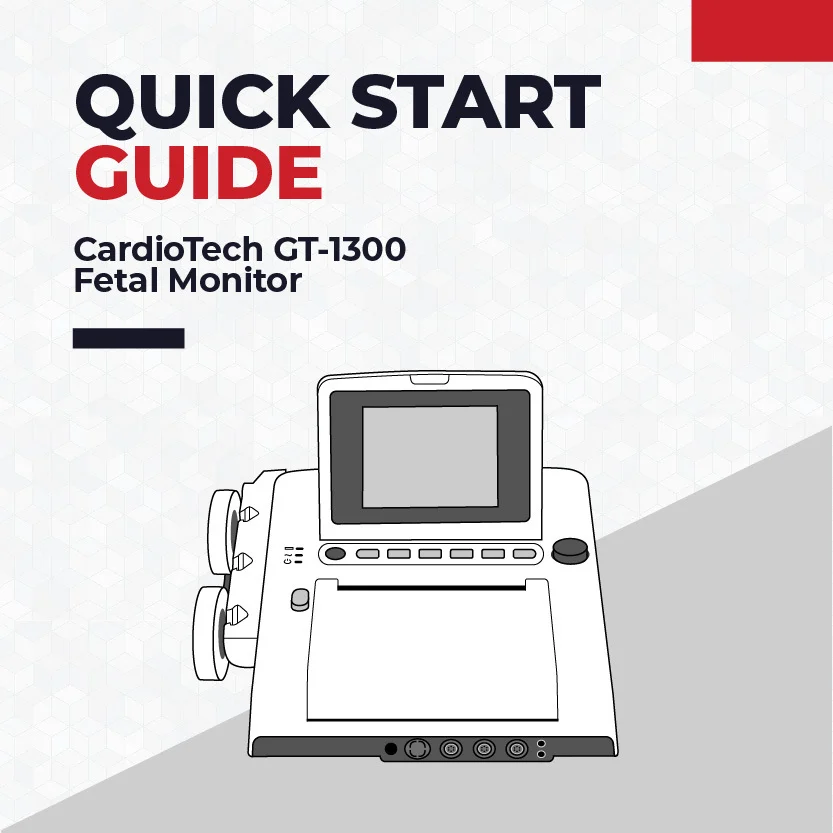
The brand of your fetal monitor is also very important to consider while you decide which fetal monitor to invest in. CardioTech and GE Healthcare are well-known, trustworthy fetal monitor brands. Therefore, their fetal machines are more expensive.
Fetal Monitor Features and Accessories To Have
Features
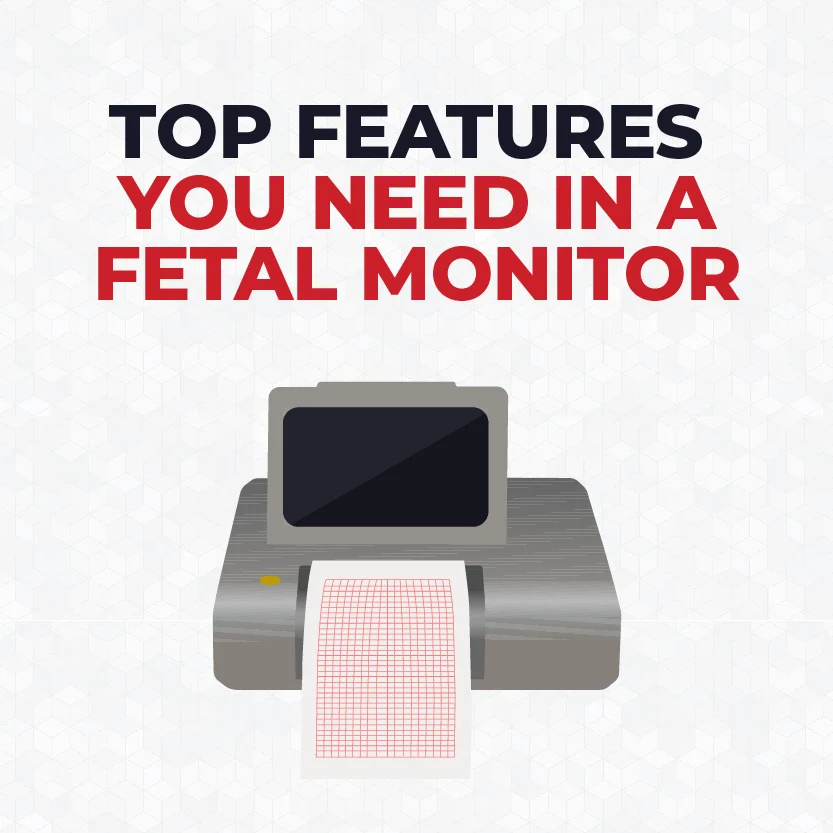
Maternal parameters and twins FHR are two essential features you need to consider when deciding which fetal monitor is right for your practice. If you decide to choose a machine that has maternal parameters, you’ll need to consider that electrodes will be another accessory to purchase. However, your machine will be capable of recording readings for things such as the mother’s ECG, HR/PR, NIBP, SPO2, and TEMP. All CardioTech fetal monitors are capable of twin readings.
Accessories
The most common fetal monitor accessories you will need to purchase are paper, ultrasound gel, and belts. Because these machines are continuously reading fetal heart rates and contractions, they’re constantly printing on paper. You will also need to purchase ultrasound gel so that so that the fetal monitor can pick up sound waves. Belts are another necessary disposable accessory that you will need to purchase for your fetal monitor. The belt is used to keep the FHR and TOCO probes in place on the mother’s abdomen.
Software and Event Markers
When you purchase a fetal monitor, ensure that your machine has software and event markers. Software allows for storing and uploading patient information into the EMR. You need to consider if your machine’s price includes software, or if purchasing additional software will affect the price.
You should also ensure that your fetal monitor has event markers for both the doctor and the mother to mark notable incidents. For example, the doctor can use the event marker to indicate when they give the mother drugs. Alternatively, the mother can use the event marker to indicate if she feels something abnormal.
Another aspect to consider when purchasing a new fetal monitor is whether you need to measure high acuity parameters, such as Direct ECG, or DECG. DECG is used when the baby’s heart rate can’t be found, so an electrode is inserted into the mother’s uterus and is fastened to the baby’s scalp. This parameter is found in the Edan F9 Express Fully Loaded.