How Much Does a Fetal Monitor Cost?

What is a Fetal Monitor?
A fetal monitor is used to monitor the heart rate and other vital signs of a fetus during pregnancy and birth. Fetal Monitors typically feature transducers attached to the mother’s abdomen that record the fetal heart rate and uterine contractions. Fetal monitors are commonly used during labor and delivery to ensure the well-being of the baby. They are also used during prenatal check-ups to monitor the fetus’s health and development.
How Much Does a Fetal Monitor Cost?
The average cost of a fetal monitor from CardiacDirect depends on the type of machine you need. There are several factors that can play a role in the total cost of your fetal monitor. Before buying a fetal monitor, it’s important to assess your requirements and budget.
Monitoring Options
Maternal Monitor
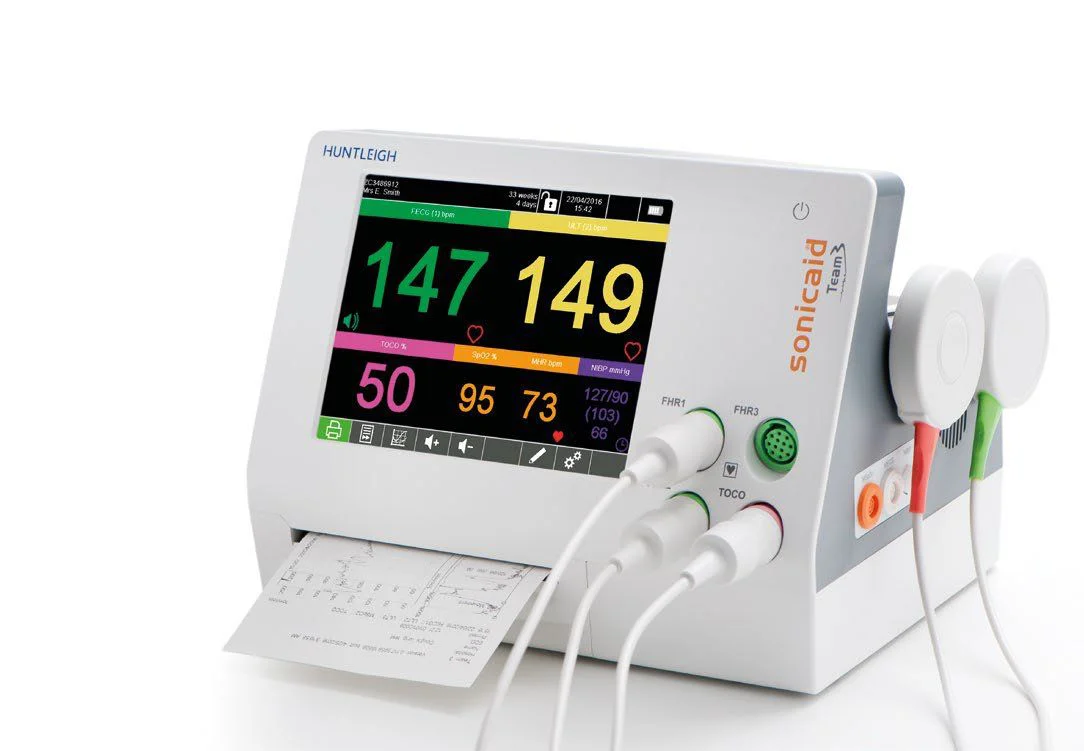
Maternal fetal monitors are used to monitor both the maternal and fetal vital signs during pregnancy and childbirth. Healthcare providers can assess the well-being of both the mother and the fetus throughout the prenatal period, labor, and delivery. Maternal fetal monitors range from $2,000 to $8,500.
Twins Monitor
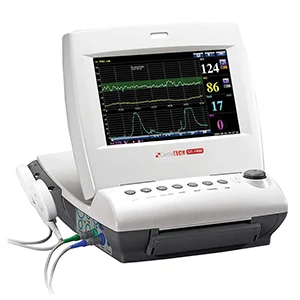
Twins fetal monitors are designed for monitoring the vital signs of twins during pregnancy and childbirth with two FHR probes. Since twin pregnancies can come with additional risks and complications, monitoring the health and development of each twin is crucial. Twins fetal monitors range from $2,000 to $9,000.
Other Important Considerations
Brand
The brand of the fetal monitor will have an impact on price. At CardiacDirect, we carry some of the most popular fetal monitors from the top brands such as Huntleigh and GE Healthcare. For the best value, we highly recommend our CardioTech line.
Accessories
Paper: Fetal monitor paper, also known cardiotocography paper, helps record fetal heart rate and uterine contractions during pregnancy and childbirth.
Trolley: A trolley or cart provides a mobile platform for the fetal monitor, making it easy to move between different areas within a healthcare facility.
Belts: Fetal monitor belts ensure that the sensors remain properly positioned to accurately detect and record the fetal heart rate and uterine contractions.
Gel: Ultrasound gel helps eliminate air pockets and ensures optimal sound wave transmission for clearer imaging.