Different Types of EKG Machines
Introduction
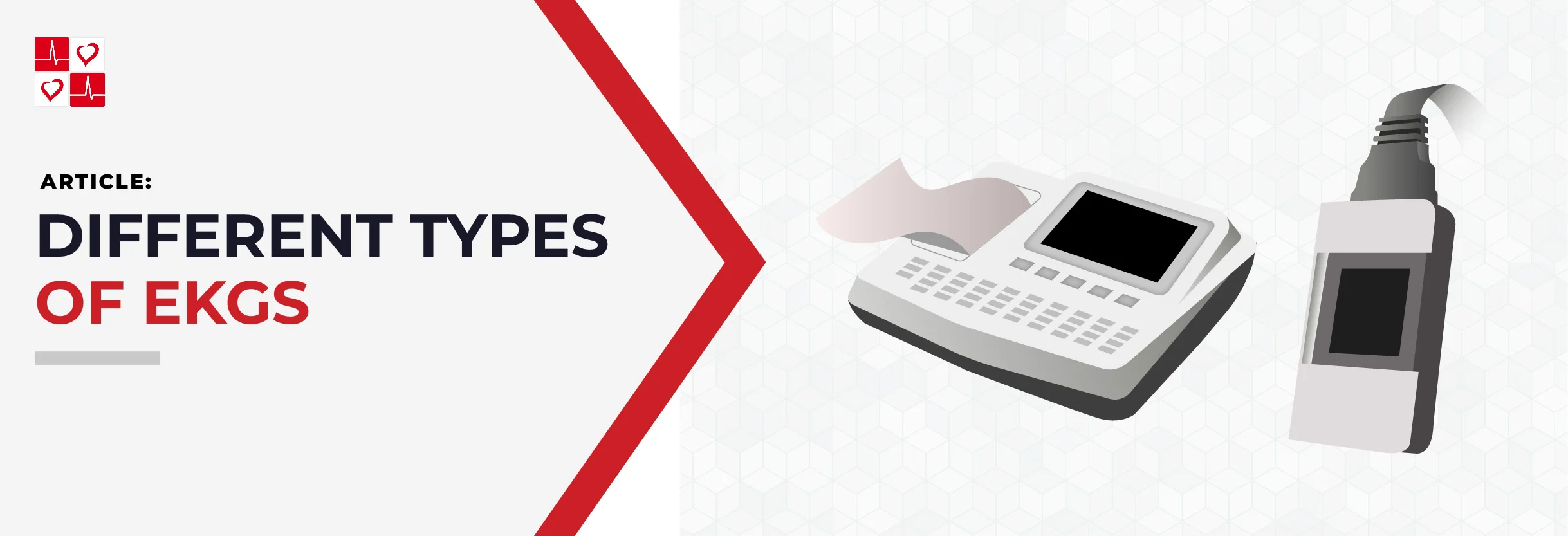
An EKG Machine records electrical signals from your heart. The electrodes pick up on the heart’s electrical currents and send the information to the EKG machine. The machine then creates a graph of the electrical activity. Read on to find out about the different types of EKG Machines.
Number of Channels
12-lead
12-lead EKGs provide a comprehensive evaluation of the heart’s electrical activity and are useful for diagnosing/monitoring a range of cardiac conditions. 12-lead EKGs use 10 electrodes to record the heart’s electrical activity from 12 different angles (6 limb leads on the arms/legs and 6 precordial leads on the chest).
6-lead
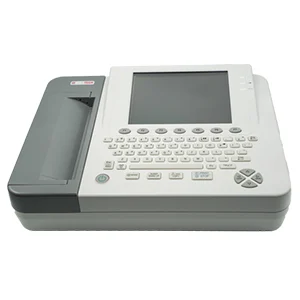
6-lead ECGs use six electrodes to record the heart’s electrical activity from six different leads (3 limb leads and 3 precordial leads). While a 6-lead ECG is less comprehensive than a 12-lead ECG, they may be useful in certain situations such as monitoring patients with pacemakers.
3-lead
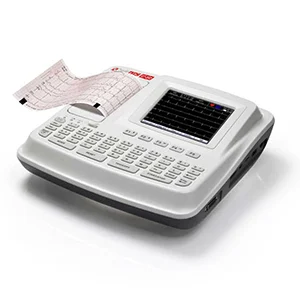
In a 3-lead EKG, three electrodes attach on the right arm, the left arm, and the left leg. This type of EKG is commonly used in emergency settings, routine check-ups, or in cases where continuous cardiac monitoring is needed.
Tabletop vs. PC-Based
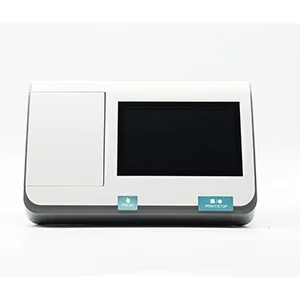
Tabletop
Unlike handheld/portable options, tabletop EKG machines are more robust and capable of providing a wide range of diagnostic information about a patient’s heart health.
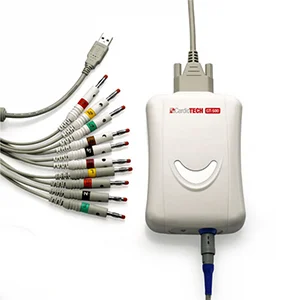
PC-Based
PC-Based EKG machines are compact devices designed for use with a PC. They typically connect to an interface through USB, Bluetooth or Wi-Fi. Additionally, each EKG comes with dedicated software for EKG display and analysis.
Resting EKG vs. Stress EKG vs. Holter
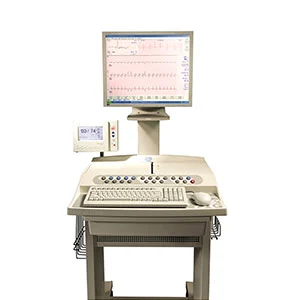
Resting EKG
Resting EKG machines record the electrical activity of the heart while a patient is at rest. Resting EKG machines assess the heart’s rhythm and detect any abnormalities or irregularities in its electrical patterns.
Stress EKG
Stress EKG machines assess the heart’s response to physical exertion. This diagnostic test helps healthcare professionals evaluate the heart’s performance under stress or increased workload.
Holter
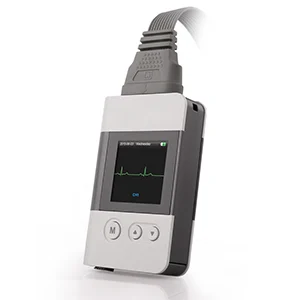
Holter monitors continuously monitor a patient’s heart activity over an extended period, typically 24 to 48 hours. Continuous monitoring provides a more comprehensive view of the heart’s behavior during everyday activities, including sleep and exercise.