When Can You Hear a Baby’s Heartbeat on a Doppler?
What is a Fetal Doppler?
When does a Fetal Heart Monitoring Test Take Place?
When Can You Hear a Baby’s Heartbeat on a Doppler?
Medical Grade Fetal Doppler
At Home Fetal Doppler

What is a Fetal Doppler?
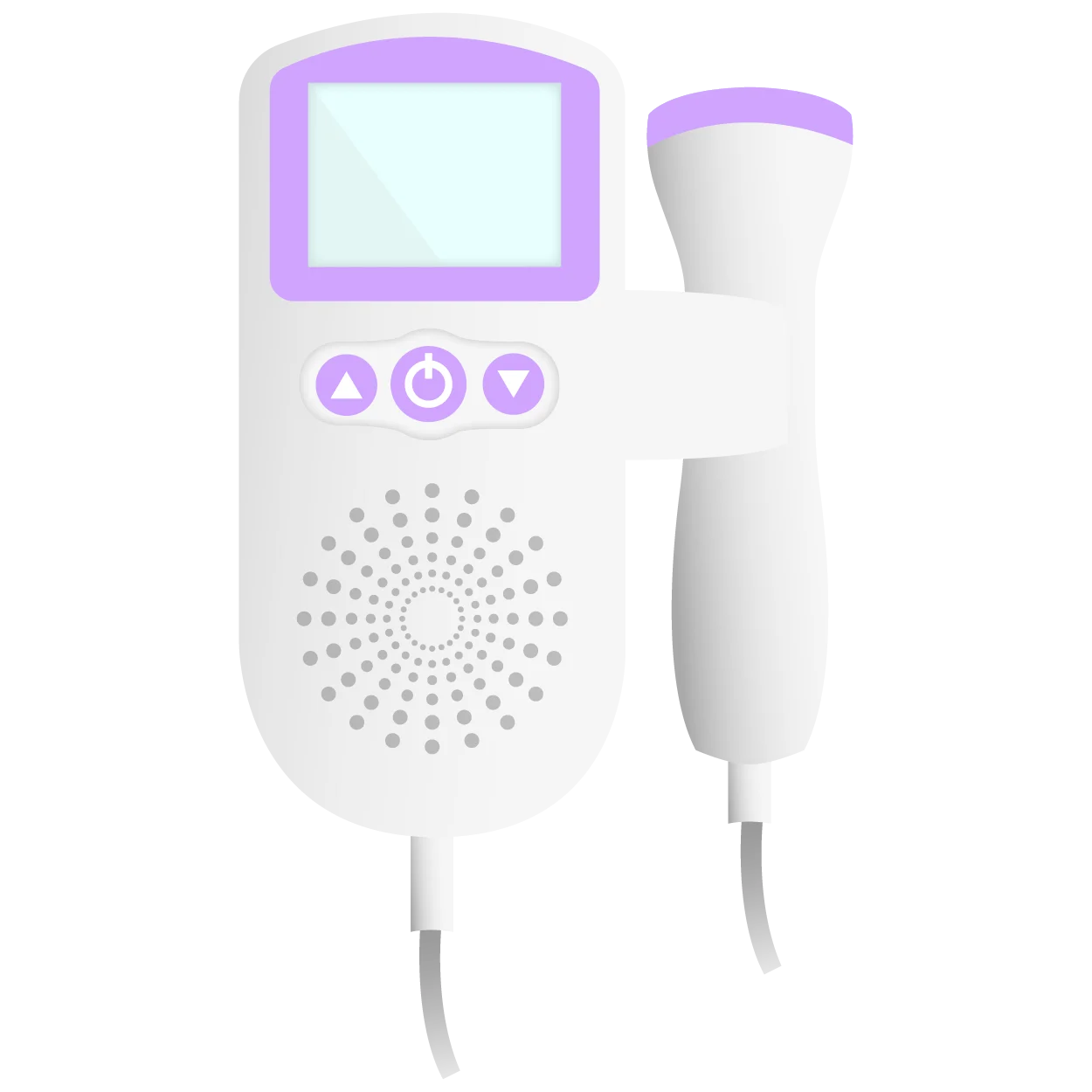
A fetal doppler is a medical device used to listen to the heartbeat of a developing fetus in the womb. Dopplers utilize doppler ultrasound, which uses sound waves to detect and amplify the heartbeat of the fetus. These tests also check for blood flow and growth of the baby.
When does a Fetal Heart Monitoring test take place?
A fetal doppler ultrasound test at a clinic normally takes place during the mother’s second trimester (weeks 13 to 28 of pregnancy). Sonographers typically advice against trying to listen to a baby’s heartbeat before 12 weeks, as the womb is in the pelvis during the first trimester.
When can you hear a baby’s heartbeat on a doppler?
A healthy baby’s heart usually beats 110 to 160 times a minute in the womb. From weeks 10 to 12, fetal heartbeats are often hard to pick up. However after week 14, the heartbeat is much easier to find.
Medical Grade Dopplers
Medical grade dopplers, from brands such as Huntleigh, Edan and Bistos, can reliably start detecting a baby’s heartbeat during the second trimester. These devices offer various probe frequencies which make them useful for vascular applications as well.
Ultrasound technicians and other medical professionals must be trained to use these dopplers to diagnose and treat any potential health issues.
At-Home Fetal Dopplers
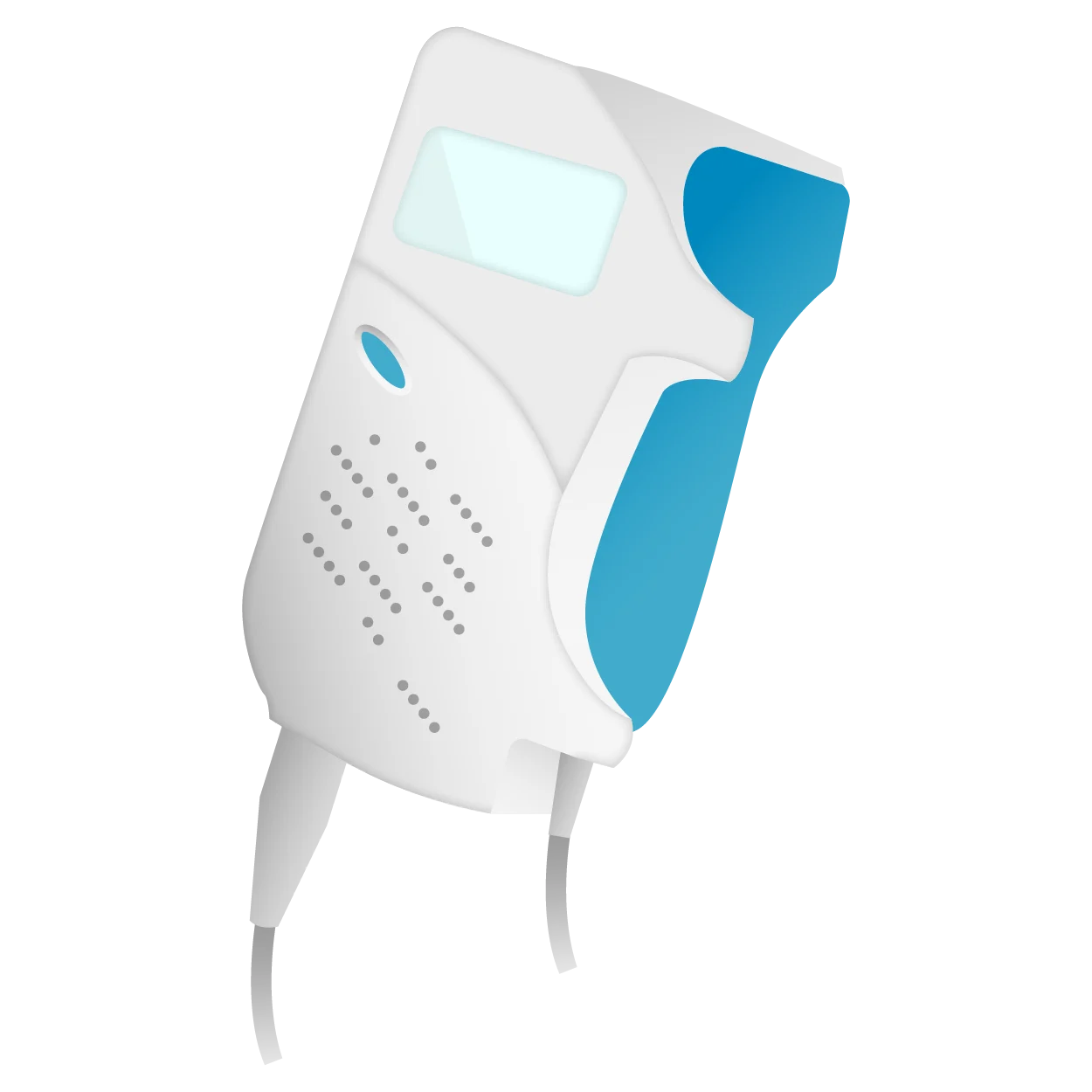
At-home fetal dopplers claim to detect heartbeats after 12 weeks. These home fetal doppler are cheap and convenient, but lack the precision of medical grade dopplers. Many obstetricians and experts do not recommend at-home fetal dopplers, especially if people are untrained. The FDA also discourages using at-home dopplers to avoid misinterpretations that can result in false reassurance or unnecessary panic.